What is Bobath therapy?
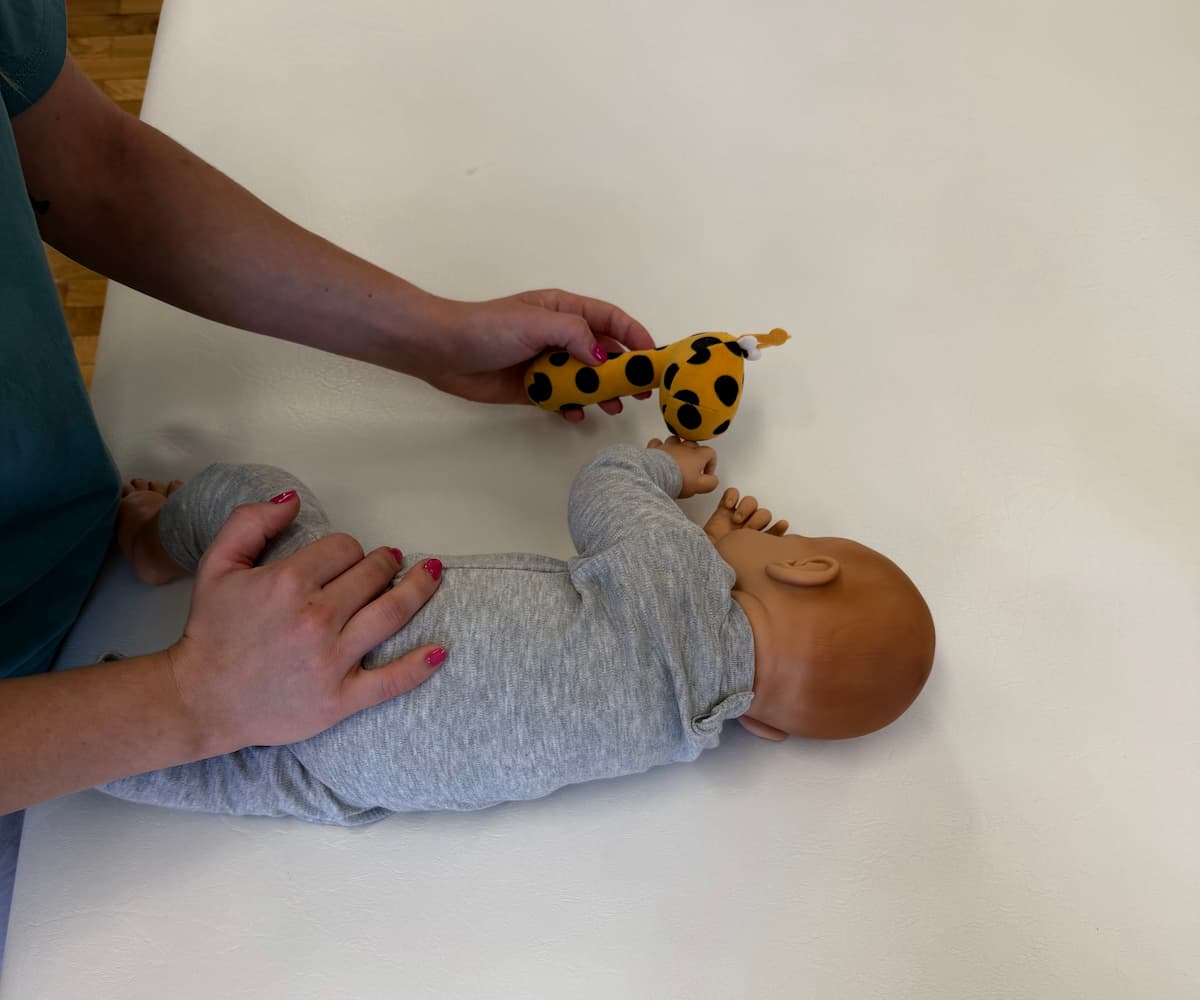
Bobath therapy is a neurodevelopmental approach used to encourage correct motor development, movement, functional skills and everyday abilities through play. The method was developed by physiotherapist Berta Bobath and neurologist Dr Karel Bobath in London during the 1940s. Today the Bobath concept is used worldwide in the rehabilitation of children and adults with neurological difficulties.
How is Bobath therapy carried out?
Bobath therapy is carried out through guided movements and activities that match the child's developmental age, or that aim to improve the quality of movements the child already performs. Play is an essential part of the therapy. Through play, the child explores the space around them, gets to know their own body, develops coordination, balance and motor skills, and gains new experiences in a natural and motivating way.
Which children benefit from Bobath therapy?
Bobath therapy is most often used for children who have:
- increased or decreased muscle tone
- delayed motor development
- difficulties with balance, coordination or movement control
- asymmetry in posture or movement
- genetic or neurological conditions affecting motor development
- cerebral palsy
How long does Bobath therapy last?
The duration of Bobath therapy depends on the child's age, diagnosis and therapy goals, so there is no single rule that applies to every child. A single therapy session usually lasts between 30 and 45 minutes. The overall duration of habilitation or rehabilitation depends on the child's individual progress and is regularly adjusted following the therapist's professional assessment.
How often should a child attend Bobath therapy?
The frequency of sessions is determined individually after assessing the child's needs, abilities and therapy goals. For some children, once a week is enough, while others will need a more intensive programme with several sessions a week. The therapy plan is regularly adapted to the child's progress. If the child is making the expected progress, the frequency of sessions can gradually be reduced. On the other hand, when the therapy goals are more demanding or habilitation or rehabilitation needs to be intensified, sessions may be temporarily increased. The goal is to find a therapy schedule that best suits the needs of the child and their family and allows for continuous, high-quality progress.
Should Bobath therapy also be done at home?
Yes. Parents play an important role in the therapy process. During therapy, the physiotherapist gives parents clear guidance on how to further encourage the child's development through everyday activities and play. They will also explain which positions, movements or habits should be avoided, and which should be encouraged. The best results are achieved when the therapist's professional work is complemented by regularly carrying out the recommended activities at home.
For more information or to schedule an appointment, please get in touch via the contact form.
Book Appointment